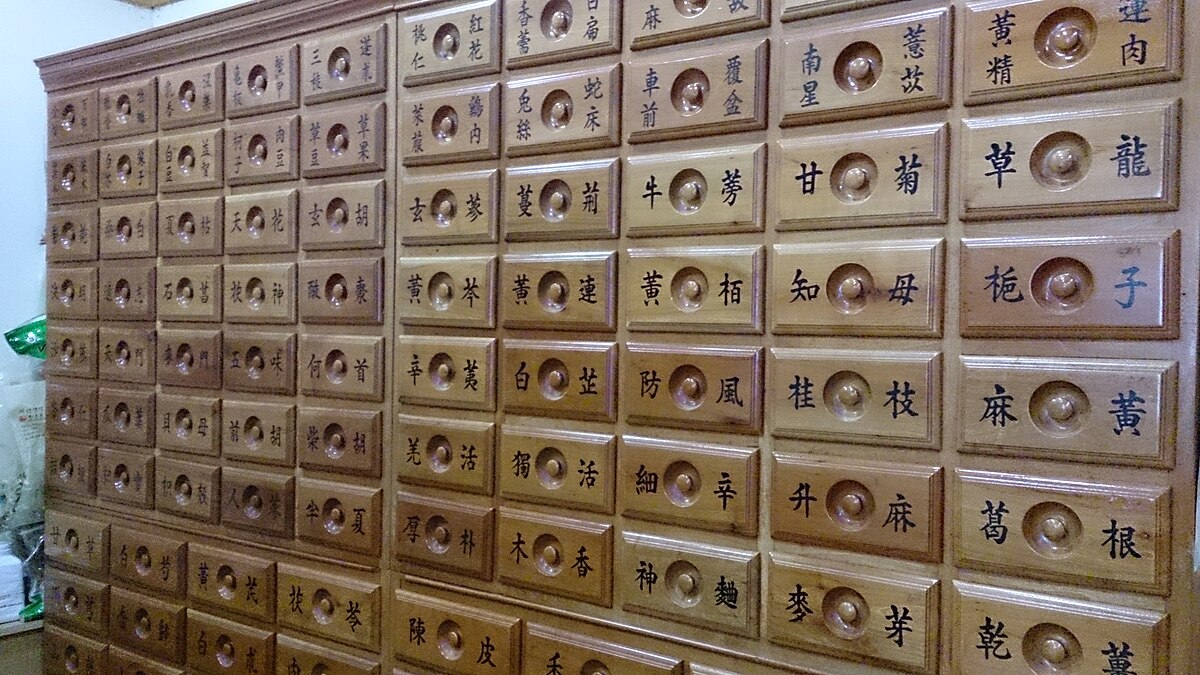
Chinese herbal medicine is one of the most widely used — and least understood — branches of Traditional Chinese Medicine (TCM) outside of China. While acupuncture has become a household word in most Western countries, herbal medicine remains the primary treatment modality within China itself, prescribed in more than 70% of all TCM clinical encounters.
For international patients considering treatment in China, understanding how Chinese herbal medicine works is essential. It's not about picking a single herb off a shelf. It's a sophisticated system of diagnosis-based prescribing where customized formulas of 8–15 ingredients are designed for your specific condition. This guide explains the system, the evidence, the safety considerations, and how to access quality herbal care.
What Is Chinese Herbal Medicine?
Chinese herbal medicine (中药, zhōngyào) is a therapeutic system that uses natural substances — primarily plants, but also minerals and animal-derived materials — to treat disease and restore health. Despite the name, "herbal" is something of a simplification: the Chinese pharmacopoeia includes over 12,000 catalogued substances, of which approximately 300–500 are in common clinical use today.
What distinguishes Chinese herbal medicine from Western herbalism or over-the-counter supplements is that it is prescription-based and individualized. A TCM practitioner does not recommend a single herb for a single symptom. Instead, after a detailed diagnostic assessment — including pulse diagnosis, tongue examination, and a comprehensive health history — they compose a formula (方剂, fāngjì) of multiple ingredients that work together to address both the symptoms and the underlying systemic imbalance.
Formula Composition: The "Jun-Chen-Zuo-Shi" System
Every classical Chinese herbal formula follows a structured hierarchy known as Jun-Chen-Zuo-Shi (君臣佐使):
| Role | Chinese | Function | Example |
|---|---|---|---|
| Sovereign (Jun) | 君 | The primary herb targeting the main condition | Huang Qi (Astragalus) for qi deficiency |
| Minister (Chen) | 臣 | Supports and enhances the sovereign herb's action | Bai Zhu (Atractylodes) to strengthen spleen qi |
| Assistant (Zuo) | 佐 | Addresses secondary symptoms or moderates harsh effects | Chen Pi (Tangerine Peel) to regulate qi flow |
| Envoy (Shi) | 使 | Guides the formula to the target area or harmonizes ingredients | Gan Cao (Licorice) to harmonize all herbs |
This isn't merely traditional philosophy — it reflects genuine pharmacological logic. Modern research has confirmed that multi-herb formulas produce synergistic effects, with certain combinations enhancing bioavailability, reducing toxicity, or broadening therapeutic targets in ways that single-ingredient extracts cannot replicate (Luo et al., 2020, Journal of Ethnopharmacology).
How Chinese Herbal Medicine Differs from Western Supplements
This is a critical distinction that many international patients miss:
| Feature | Chinese Herbal Medicine | Western Herbal Supplements |
|---|---|---|
| Prescribing | Custom formula prescribed by a licensed TCM practitioner after diagnosis | Self-selected or recommended by store staff |
| Formulation | Multi-herb formula (8–15 ingredients) designed for synergistic action | Usually single herb or simple blend |
| Diagnosis required | Yes — pulse, tongue, symptoms, constitution | No — selected by symptom or general wellness claim |
| Adjusted over time | Formula modified as condition changes | Same product taken continuously |
| Regulation | Regulated as medicine in China, with pharmacopoeia standards | Regulated as dietary supplements (less stringent) in most Western countries |
| Quality control | Pharmacopoeia-grade herbs tested for identity, purity, heavy metals | Variable — quality depends on manufacturer |
In short, Chinese herbal medicine as practiced in China operates within a medical framework. It's closer to pharmaceutical prescribing than to browsing a health food store.
What Conditions Does Chinese Herbal Medicine Treat?
Chinese herbal medicine is used across an extraordinarily broad range of conditions. Based on current clinical evidence and established practice, the strongest evidence and longest track record exist for:
Digestive Disorders
Herbal formulas are among the most effective TCM interventions for functional gastrointestinal conditions. A landmark randomized controlled trial published in Nature Medicine in 2024 demonstrated that the traditional formula Qiliqiangxin produced significant clinical improvements in heart failure patients, establishing a new benchmark for TCM evidence quality (Cheang et al., 2024, Nature Medicine).
For digestive conditions specifically:
- Functional dyspepsia — formulas like Ban Xia Xie Xin Tang have shown efficacy comparable to prokinetic drugs in multiple RCTs
- Irritable bowel syndrome (IBS) — Tong Xie Yao Fang is widely prescribed, with systematic reviews showing improvement in abdominal pain and stool consistency
- Chronic gastritis — Wei Bi Tang and similar formulas show promise in reducing H. pylori-related inflammation
Respiratory Conditions
- Chronic cough and bronchitis — herbal formulas targeting phlegm and lung qi are among the most commonly prescribed in Chinese hospitals
- Allergic rhinitis — Yu Ping Feng San (Jade Windscreen Powder) has been shown to modulate immune function and reduce symptom recurrence
- Post-COVID recovery — systematic reviews of 8 studies (6,860 patients) found that CHM combined with standard treatment reduced mortality and adverse events compared to standard treatment alone (European Journal of Integrative Medicine, 2025)
Women's Health
Chinese herbal medicine has a particularly strong tradition in gynecological conditions:
- Menstrual irregularities — formulas addressing blood stasis, qi stagnation, and kidney deficiency
- Menopausal symptoms — Suan Zao Ren Tang for insomnia, Er Xian Tang for hot flashes
- Polycystic ovary syndrome (PCOS) — recent research has identified multiple herbal formulas that improve insulin resistance through gut microbiota modulation and inflammatory pathways
- Fertility support — often used alongside IVF/ART protocols
Pain and Musculoskeletal Conditions
- Arthritis (rheumatoid and osteoarthritis) — Gui Zhi Shao Yao Zhi Mu Tang
- Lower back pain — Du Huo Ji Sheng Tang
- Neuropathic pain — Bu Yang Huan Wu Tang
For a deeper look at TCM's approach to chronic pain, see our Complete Guide to TCM for Chronic Pain.
Skin Conditions
- Eczema and dermatitis — formulas addressing blood heat and damp-heat
- Psoriasis — long-term herbal management targeting blood stasis and toxin clearance
- Acne — formulas clearing stomach heat and regulating hormones
Cancer Support
Chinese herbal medicine is increasingly used alongside conventional cancer treatment to:
- Reduce chemotherapy side effects (nausea, fatigue, immunosuppression)
- Support immune function during treatment
- Improve quality of life during and after therapy
A 2025 meta-analysis of RCTs found that TCM significantly reduced cancer-related fatigue in lung cancer patients while improving immune markers and quality of life (Pharmacological Research — Modern Chinese Medicine, 2025).
Important: Chinese herbal medicine for cancer should always be used under medical supervision and in coordination with your oncology team. It is a complement to — not a replacement for — conventional cancer treatment.
Explore our Cancer Treatment Services →
10 Essential Chinese Herbs You Should Know
While prescriptions are always customized, certain herbs appear with remarkable frequency in clinical practice:
| Herb | Chinese Name | Key Properties | Common Uses |
|---|---|---|---|
| Astragalus | 黄芪 (Huáng Qí) | Tonifies qi, strengthens immunity | Fatigue, frequent illness, chronic disease support |
| Ginseng | 人参 (Rén Shēn) | Powerfully tonifies qi, calms mind | Severe fatigue, post-surgery recovery, cognitive decline |
| Angelica sinensis | 当归 (Dāng Guī) | Nourishes and moves blood | Menstrual disorders, anemia, pain |
| Rehmannia | 熟地黄 (Shú Dì Huáng) | Nourishes yin and blood | Kidney deficiency, dizziness, premature aging |
| Licorice | 甘草 (Gān Cǎo) | Harmonizes formulas, tonifies spleen | Used in ~70% of all formulas as a harmonizer |
| Bupleurum | 柴胡 (Chái Hú) | Regulates liver qi, reduces fever | Stress, emotional disorders, alternating fever/chills |
| Poria | 茯苓 (Fú Líng) | Drains dampness, calms spirit | Edema, digestive bloating, insomnia |
| Atractylodes | 白术 (Bái Zhú) | Strengthens spleen, dries dampness | Poor appetite, loose stools, fatigue |
| Coptis | 黄连 (Huáng Lián) | Clears heat, dries dampness | Infections, inflammation, diarrhea |
| Salvia miltiorrhiza | 丹参 (Dān Shēn) | Moves blood, cools blood | Cardiovascular conditions, chest pain, menstrual pain |
What Does Treatment Look Like?
For an international patient seeking Chinese herbal medicine treatment in China, here's what to expect:
Step 1: Diagnostic Consultation (30–60 minutes)
Your first visit involves a comprehensive TCM assessment:
- Inquiry (问诊) — detailed questions about your symptoms, medical history, diet, sleep, emotions, and lifestyle
- Pulse diagnosis (脉诊) — the practitioner takes your pulse at both wrists, assessing up to 28 different pulse qualities
- Tongue examination (舌诊) — the shape, color, coating, and moisture of your tongue provide diagnostic information
- Observation (望诊) — your complexion, body language, and voice quality are all noted
Based on this assessment, the practitioner identifies your syndrome pattern (证型, zhèngxíng) — not just what disease you have, but why and how it manifests in your body. Two patients with the same Western diagnosis may receive entirely different herbal prescriptions.
Step 2: Prescription and Dispensing
The practitioner writes a formula — typically 8–15 herbs with precise dosages measured in grams. This prescription goes to the hospital pharmacy, where trained pharmacists weigh and package each ingredient.
Step 3: Forms of Herbal Medicine
| Form | Description | Pros | Cons |
|---|---|---|---|
| Raw decoction (汤剂) | Dried herbs boiled in water at home | Most customizable, strongest effect | Time-consuming to prepare, bitter taste |
| Concentrated granules (颗粒剂) | Freeze-dried herbal extracts mixed in hot water | Convenient, standardized dosing | Slightly less potent than raw decoction |
| Patent medicines (中成药) | Pre-made pills, capsules, or liquids | Most convenient, portable | Not customized, limited flexibility |
| Topical preparations | Herbal plasters, liniments, washes | Direct application to affected area | Limited to external conditions |
Most hospitals in Shanghai now offer concentrated granules as the default for international patients — they're easier to prepare and transport.
Step 4: Follow-Up and Formula Adjustment
A typical course of treatment involves:
- Acute conditions — 1–2 weeks of daily herbal medicine, with reassessment
- Chronic conditions — 1–3 months of treatment, with formula adjustments every 2–4 weeks
- Preventive/constitutional care — ongoing seasonal adjustments
Your formula will be modified at each follow-up based on how your symptoms and diagnostic signs have changed. This iterative adjustment is a core advantage of Chinese herbal medicine over fixed-dose pharmaceutical regimens.
Safety: What International Patients Must Know
Chinese herbal medicine has a strong safety profile when prescribed by qualified practitioners — but there are real risks that you should understand.
Quality and Contamination
The most significant safety concern is not the herbs themselves but their quality. Issues can include:
- Heavy metal contamination (lead, mercury, arsenic) in herbs grown in polluted soil
- Pesticide residues
- Adulteration with undeclared pharmaceutical drugs
- Incorrect botanical identification
How to protect yourself: Only obtain herbs from licensed hospital pharmacies or GMP-certified suppliers. Hospitals in China's top tier (三甲) maintain strict procurement and testing protocols. Avoid purchasing herbal products from unregulated street vendors or online marketplaces.
Drug-Herb Interactions
Certain Chinese herbs can interact with Western medications:
- Dang Gui (Angelica) may increase bleeding risk when combined with warfarin or aspirin
- Gan Cao (Licorice) in high doses can cause potassium depletion and interact with blood pressure medications
- Huang Qin (Scutellaria) may affect the metabolism of certain drugs through CYP450 enzyme interactions
Always disclose all medications — both Western and Chinese — to every practitioner you see. A qualified TCM doctor will check for interactions before prescribing.
Liver Safety
A small number of Chinese herbs have been associated with hepatotoxicity when used improperly. He Shou Wu (Polygonum multiflorum) is the most commonly cited example. Processed forms are safer than raw, and proper dosing under professional guidance significantly reduces risk.
Pregnancy Considerations
Many herbs are contraindicated during pregnancy. If you are pregnant or planning to become pregnant, inform your TCM practitioner before any prescription is written.
Cost Comparison: China vs. Western Countries
One of the strongest reasons international patients seek herbal treatment in China is cost:
| Service | China (Shanghai) | United States | United Kingdom | Japan |
|---|---|---|---|---|
| Initial TCM consultation | $20–$50 | $100–$250 | £60–£120 | ¥8,000–¥15,000 |
| Weekly herbal prescription (raw) | $15–$40 | $40–$100 | £30–£70 | ¥5,000–¥10,000 |
| Weekly herbal prescription (granules) | $20–$50 | $50–$120 | £40–£80 | ¥6,000–¥12,000 |
| 4-week treatment course (total) | $80–$250 | $350–$750 | £200–£400 | ¥30,000–¥60,000 |
Prices in China reflect treatment at top-tier public hospitals with English-speaking staff. Private international clinics may charge more.
Beyond cost, treatment in China offers access to:
- The full range of pharmacopoeia-grade herbs (many are restricted or unavailable in Western countries)
- Integrated treatment combining herbal medicine with acupuncture, tuina, and other modalities
- Practitioners with decades of specialized experience
- Hospital pharmacy quality control systems
Get a Free Treatment Consultation →
Getting Herbal Medicine Treatment in Shanghai
Shanghai is one of the best cities in China for international patients seeking herbal medicine. Key options include:
Top Hospitals for TCM Herbal Medicine
-
Longhua Hospital (龙华医院) — Shanghai's largest TCM hospital, affiliated with Shanghai University of Traditional Chinese Medicine. Known for oncology support, digestive diseases, and gynecology.
-
Shuguang Hospital (曙光医院) — Excels in liver disease treatment and integrative medicine protocols. International patient department available.
-
Yueyang Hospital (岳阳医院) — Strong reputation for pain management and respiratory conditions using herbal medicine.
What OriEast Provides
Navigating Chinese herbal medicine as an international patient involves language barriers, unfamiliar hospital systems, and the need for accurate communication of your medical history. OriEast provides:
- Pre-arrival consultation — we review your medical records and help identify the most appropriate hospital and specialist
- Medical interpretation — bilingual coordinators accompany you to appointments
- Prescription management — we ensure you understand your herbal prescription, preparation instructions, and any precautions
- Follow-up support — ongoing coordination with your TCM practitioner, including remote consultations after you return home
- Herb transport guidance — advice on which herbs can be carried across international borders
Frequently Asked Questions
Can I bring Chinese herbs back to my home country?
Most dried herbs and concentrated granules are permitted in checked and carry-on luggage. However, regulations vary by country. Certain animal-derived products and protected plant species may be restricted. Ask your practitioner about your destination's specific regulations, and always carry the original prescription for customs documentation.
How long before I see results?
This depends on your condition. Acute problems (cold, digestive upset) may improve within days. Chronic conditions (eczema, IBS, menstrual disorders) typically require 4–8 weeks of consistent treatment to show meaningful change. Constitutional imbalances may take 3–6 months.
Is Chinese herbal medicine safe to combine with Western drugs?
In most cases, yes — but only under proper medical supervision. A qualified TCM practitioner will review your current medications before prescribing. At major Chinese hospitals, TCM and Western medicine departments routinely collaborate on patient care.
Do I need to continue treatment after I leave China?
For chronic conditions, your practitioner will typically provide a transition plan — either a supply of herbal granules to take home, a prescription that can be filled by a qualified TCM practitioner in your home country, or a schedule for remote follow-up consultations.
Is there scientific evidence for Chinese herbal medicine?
Yes, and it's growing rapidly. As of 2025, PubMed lists over 45,000 clinical studies involving Chinese herbal medicine. Quality varies, but landmark trials in journals like Nature Medicine, JAMA, and The Lancet have validated specific formulas for specific conditions. The evidence base is strongest for digestive disorders, cardiovascular support, cancer-related fatigue, and respiratory conditions.
Next Steps
If you're considering Chinese herbal medicine — whether for a specific condition or as part of a broader TCM treatment plan — the most important step is connecting with a qualified practitioner who can assess your individual situation.
Explore our TCM Treatment Services | Learn about Acupuncture in Shanghai | Browse Partner Hospitals
Medical Disclaimer: This article is for educational and informational purposes only and does not constitute medical advice. Chinese herbal medicine should only be used under the guidance of a qualified, licensed practitioner. Do not self-prescribe herbal formulas or discontinue any prescribed medication without consulting your healthcare provider. Individual results vary, and the information presented here should not be used as a substitute for professional medical diagnosis or treatment. If you have a medical condition, consult your physician before beginning any TCM treatment.