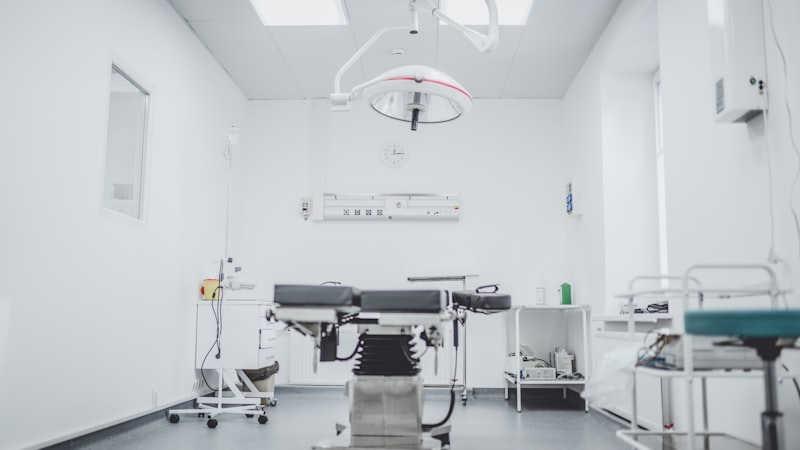
If you have ever priced out a comprehensive health screening in the United States, the numbers are jarring. A full executive physical with bloodwork, imaging, and cancer markers can easily run $5,000 to $10,000 at a major academic medical center. Add a colonoscopy and a PET-CT scan, and you are looking at $15,000 or more — often with a multi-week wait for appointments.
Shanghai offers a different equation entirely. The same scope of testing, performed on the same brands of equipment (Siemens, GE, Philips), interpreted by specialists who trained at China's most competitive medical schools, costs 60 to 80 percent less. A comprehensive checkup that would cost $5,000 in New York or $3,000 in Tokyo runs roughly $700 to $2,000 in Shanghai, depending on the hospital and package tier. And the entire process — from blood draw to final ultrasound — typically wraps up in a single morning.
This guide covers everything an international patient needs to plan a health checkup in Shanghai: where to go, what to expect, how much it costs, and how to book through OriEast. If you are already exploring health checkup services, consider this your detailed reference.
Why Get a Health Checkup in Shanghai?
The Cost Advantage Is Real
Let's address the most common question first: why fly to China for a checkup you could get at home?
The short answer is value. Shanghai's top public hospitals — known as tier-3A institutions, the highest classification in China's hospital ranking system — use globally sourced diagnostic equipment. A PET-CT scanner at Zhongshan Hospital is manufactured by the same company as one at Memorial Sloan Kettering. The difference is what you pay to use it: roughly $1,000 to $1,400 in Shanghai versus $5,000 to $10,000 in the US.
This cost gap is not a reflection of inferior care. It stems from structural factors: government subsidies for public hospitals, lower labor costs, the absence of American-style insurance billing overhead, and a healthcare system designed around volume efficiency. China's public hospitals see patient volumes that dwarf those of most Western institutions, which drives both cost efficiency and clinical experience.
For expatriates already living in Shanghai, the economics are straightforward. For medical tourists traveling from abroad, the savings on a premium checkup package alone can offset the cost of flights and accommodation — particularly if you combine the visit with other medical services or simply enjoy a few days in one of Asia's most dynamic cities.
Equipment and Technology
Shanghai's tier-3A hospitals are not working with outdated machines. The standard imaging suite at a major Shanghai institution includes:
- PET-CT scanners for whole-body cancer screening
- 3.0 Tesla MRI systems for high-resolution brain, cardiac, and musculoskeletal imaging
- 256-slice spiral CT scanners for coronary artery and lung assessment
- High-definition endoscopes for gastrointestinal screening (gastroscopy and colonoscopy)
- Automated biochemistry analyzers processing thousands of blood samples daily
In the US and parts of Europe, scheduling a PET-CT or MRI can mean waiting weeks. In Shanghai, these are routine components of mid-tier and premium checkup packages, typically available within days of booking.
Efficiency and Convenience
One of the most underappreciated advantages of the Chinese health checkup model is speed. Shanghai's checkup centers — whether inside a public hospital or run by a private chain — are designed as one-stop operations. Blood draws, ultrasounds, CT scans, cardiac tests, and endoscopies happen in a single facility, often on a single floor, in a single visit.
A basic checkup takes half a day. A comprehensive package including endoscopy and advanced imaging wraps up in one to two days. Compare that to the US, where assembling a comparable set of tests typically requires separate appointments with your primary care physician, a radiology center, a cardiologist, and a gastroenterologist — spread across weeks or months.
Growing International Infrastructure
Shanghai's major hospitals have invested heavily in serving international patients. Facilities like United Family Hospital and the Shanghai International Medical Center (SIMC) offer fully English-language services by default. Several tier-3A public hospitals — including Huadong Hospital and Ruijin Hospital — operate dedicated international medical departments staffed with multilingual coordinators.
Checkup reports can be issued in bilingual format (Chinese and English), which is useful for sharing results with your physician back home. For hospitals that only issue Chinese-language reports, translation services are readily available.
Recommended Hospitals for Health Checkups
Choosing the right facility depends on three factors: your budget, your language preferences, and how comprehensive a checkup you need. Below is an overview of the main categories. You can also browse our partner hospitals page for additional details.
Public Tier-3A Hospitals
Tier-3A is the highest tier in China's hospital classification system. These are large, research-affiliated institutions with the deepest specialist resources and the most advanced equipment. They also offer the best value — premium-level diagnostics at public-hospital pricing.
Huadong Hospital
Huadong Hospital is one of Shanghai's most respected institutions for executive health management. Originally established as a healthcare center for senior government officials, its Health Management Center has decades of experience conducting thorough, multi-system screenings. The hospital is particularly strong in cardiovascular and oncology screening. Its checkup center offers a comfortable, well-organized environment with efficient patient flow.
For international patients, Huadong's value proposition is compelling: access to top-tier specialists and equipment at public hospital rates, with a level of service that approaches private-hospital standards.
Ruijin Hospital Health Checkup Center
Affiliated with Shanghai Jiao Tong University School of Medicine, Ruijin Hospital is consistently ranked among China's top five hospitals overall. Its checkup center benefits directly from the hospital's clinical strength — particularly in hematology, endocrinology, and metabolic diseases. If your screening reveals an abnormality, the referral pathway is seamless: you can see a specialist in the relevant department without starting from scratch at a new institution.
Ruijin's endocrinology department is nationally ranked #1, making it an especially strong choice if you have concerns about thyroid function, diabetes risk, or hormonal health.
Zhongshan Hospital Health Checkup Center
Zhongshan Hospital, affiliated with Fudan University, is one of the premier general hospitals in China. Its checkup center excels in cardiovascular screening and gastrointestinal assessment. The hospital's cardiac ultrasound team and digestive endoscopy group are among the best in the country. If heart disease or GI conditions are part of your risk profile, Zhongshan is a particularly strong option.
International Hospitals and Clinics
If seamless English-language communication and a Western-style patient experience are your top priorities, these facilities deliver — at a higher price point.
United Family Hospital (UFH)
United Family is the most recognized international healthcare brand in China. Its Shanghai location offers fully English-language services, a patient experience modeled on Western standards, and highly personalized checkup programs. The medical staff includes both Chinese physicians and internationally trained doctors.
The tradeoff is cost: United Family's pricing is significantly higher than public hospitals, often two to four times more for comparable testing. However, for patients who place a premium on communication ease, privacy, and a familiar clinical environment, the experience is hard to match.
Shanghai International Medical Center (SIMC)
SIMC positions itself as a bridge between public hospital capability and private hospital service. It offers multilingual support (English, Japanese, and other languages), flexible checkup packages that can be customized to individual needs, and a modern facility with minimal wait times. Pricing sits between public hospitals and premium international clinics, making it a solid middle-ground option.
Chain Checkup Clinics
For budget-conscious individuals who need a basic to mid-tier annual screening, China's national checkup chains offer standardized, efficient service at the lowest price points.
Meinian Onehealth
Meinian is China's largest chain checkup provider, operating dozens of locations across Shanghai. The experience is streamlined and protocol-driven: you select a package online, show up at your appointment, and move through a series of testing stations in a set order. Packages are clearly priced, and the basic tier offers exceptional value for routine annual screening.
The limitation is depth. Meinian handles standard tests well but may not be the right choice for complex or specialized screening needs. English-language support varies by location.
iKang Guobin
iKang is another major national chain with multiple Shanghai locations. It offers a somewhat wider range of mid-tier and premium packages compared to Meinian, and some locations provide English-language guidance. Like Meinian, its strength is efficiency and value rather than bespoke medical consultation.
Health Checkup Package Tiers
Shanghai's checkup market is broadly organized into three tiers. The following breakdown reflects typical offerings across the hospitals listed above, though exact items and pricing vary by institution.
Basic Package (Approximately $200-$400)
Best suited for younger adults (under 35) with no significant health concerns, or for employment and visa-related physicals.
Typical inclusions:
- Complete blood count (CBC)
- Urinalysis
- Liver function panel (ALT, AST, bilirubin, albumin)
- Kidney function panel (BUN, creatinine, uric acid)
- Lipid panel (total cholesterol, LDL, HDL, triglycerides)
- Fasting blood glucose
- Resting electrocardiogram (ECG)
- Abdominal ultrasound (liver, gallbladder, spleen, pancreas, kidneys)
- Chest X-ray
What this covers: The basic package screens for the most common metabolic and organ-function abnormalities. It will catch uncontrolled diabetes, liver or kidney dysfunction, lipid disorders, and major structural abnormalities visible on ultrasound or X-ray. It will not screen for cancer, cardiovascular disease risk beyond basic lipids, or conditions requiring advanced imaging.
Time required: Approximately 2-3 hours (one morning).
Advanced Package (Approximately $700-$2,000)
Recommended for adults over 35, anyone with a family history of cancer, cardiovascular disease, or diabetes, and those who want a more thorough annual screening.
Includes everything in the basic package, plus:
- Tumor marker panel (AFP, CEA, CA19-9, CA125, PSA for men, CA15-3 for women, and others)
- Thyroid function panel (TSH, free T3, free T4, thyroid antibodies)
- Carotid artery ultrasound (stroke risk screening)
- Echocardiogram (cardiac ultrasound)
- Low-dose spiral CT of the chest (lung cancer screening — significantly more sensitive than chest X-ray)
- Helicobacter pylori breath test (stomach cancer and ulcer risk)
- Gastroscopy and/or colonoscopy (optional but recommended for those over 40)
What this covers: The advanced package adds meaningful cancer screening through tumor markers and low-dose CT, cardiovascular risk assessment through carotid ultrasound and echocardiography, and thyroid evaluation. The optional endoscopy component is particularly valuable — gastric cancer is more common in East Asia, and early detection through endoscopy dramatically improves outcomes.
Time required: Approximately one full day. If endoscopy is included, sedation recovery adds a few hours.
Premium Package (Approximately $2,000-$7,000)
Designed for individuals who want the most comprehensive screening available, those with specific health concerns requiring detailed investigation, or high-net-worth patients seeking executive-level health management.
Includes everything in the advanced package, plus:
- PET-CT whole-body scan (often called the gold standard for early-stage cancer detection)
- Brain MRI with MRA (magnetic resonance angiography for cerebral blood vessels)
- Coronary CT angiography (non-invasive assessment of heart artery blockages)
- Genetic testing (hereditary disease risk assessment — panels vary by institution)
- Bone density scan (DEXA)
- One-on-one specialist consultation for report interpretation
What this covers: The premium tier provides the most thorough cancer screening available outside of a clinical trial, along with detailed cardiovascular and neurological assessment. The PET-CT scan, in particular, can detect metabolic abnormalities associated with early-stage tumors that would not appear on conventional imaging.
Time required: 1.5 to 2 days. Some institutions offer VIP lounges and dedicated patient coordinators for premium-tier clients.
Cost Comparison: Shanghai vs. the United States vs. Japan
The following table shows approximate costs in US dollars for common checkup components across three countries. All figures are based on self-pay (out-of-pocket) pricing as of 2026.
| Checkup Component | Shanghai | United States | Japan |
|---|---|---|---|
| Basic checkup (bloodwork, ECG, ultrasound, chest X-ray) | $200-$400 | $1,500-$3,500 | $700-$1,400 |
| Comprehensive checkup with cancer markers | $700-$2,000 | $3,500-$10,000 | $2,000-$5,500 |
| PET-CT whole-body scan | $1,000-$1,400 | $5,000-$10,000 | $2,000-$3,500 |
| Gastroscopy + colonoscopy (with sedation) | $280-$560 | $2,000-$5,000 | $1,100-$2,100 |
| Brain MRI (3.0T) | $200-$350 | $1,000-$3,000 | $500-$1,000 |
| Low-dose chest CT | $50-$100 | $200-$500 | $150-$300 |
| Cardiac CT angiography | $200-$400 | $1,500-$3,500 | $700-$1,200 |
Key takeaway: The savings are most dramatic for high-value tests like PET-CT (70-85% savings vs. the US), endoscopy (80-90% savings vs. the US), and comprehensive packages that bundle multiple advanced tests. Even compared to Japan — itself a popular destination for health screening tourism — Shanghai offers 40-60% savings on most items.
For context: a round-trip flight from the US West Coast to Shanghai runs $500 to $1,200 in economy. A premium checkup package in Shanghai, including flights and a few nights in a hotel, can still cost less than the checkup alone would cost in the US. For those traveling from Japan or Southeast Asia, the economics are even more favorable.
How to Book: The OriEast Process
Navigating a Chinese hospital's booking system independently — in Mandarin, through a WeChat-based interface, with Chinese payment methods — is feasible but unnecessarily complicated for most international patients. OriEast handles the logistics so you can focus on the checkup itself.
Step 1: Choose Your Hospital and Package
Based on your budget, health priorities, and language preferences, select a hospital type and package tier. Not sure where to start? Contact us for a personalized recommendation. We will ask about your age, medical history, family history, and any specific concerns to suggest the most appropriate package.
Step 2: Confirm Your Appointment
Once you have selected a package, we will book a specific date and time at your chosen facility. Standard lead time is 3 to 5 business days. During peak periods (January-February and November-December, when many organizations schedule annual employee checkups), we recommend booking 1 to 2 weeks in advance.
Step 3: Pre-Checkup Preparation
We will send you detailed preparation instructions. The essentials:
- Fasting: No food or water after 10:00 PM the night before (required for accurate blood glucose, lipid, and liver function results).
- Medications: If you take daily medications (blood pressure, thyroid, diabetes), consult with us in advance about whether to take them on the morning of your checkup.
- Activity: Avoid strenuous exercise and alcohol for 24 hours before the checkup.
- Documents: Bring your passport (original, not a copy). If you have previous checkup reports or medical records, bring those as well — they help the interpreting physician establish a baseline.
Step 4: Checkup Day
Arrive at the designated time. At international hospitals, you will be greeted by English-speaking staff who guide you through each station. At public hospitals, OriEast can arrange an on-site interpreter to accompany you throughout the process.
The flow is typically: registration and vital signs, blood draw, then imaging and other tests in a predetermined sequence. Most facilities will provide a light breakfast after your blood draw is complete.
Step 5: Receive Your Report
Complete reports are issued within 3 to 7 business days, depending on the facility and the complexity of your package. Most hospitals offer digital report access via app or web portal. Paper copies can be mailed domestically or internationally.
Step 6: Report Interpretation and Follow-Up
Premium packages include a one-on-one consultation with a physician who walks you through every result. For other tiers, OriEast can arrange a separate consultation if needed.
If any results require follow-up — additional testing, specialist consultation, or treatment — we can coordinate that through our hospital appointment service. One of the significant advantages of getting your checkup in Shanghai is the ability to act on findings immediately, rather than waiting weeks or months for specialist appointments back home.
Important Notes for International Patients
Language Support
The language experience varies significantly by hospital type:
- International hospitals (UFH, SIMC): Full English services, including reception, nursing, physician consultation, and written reports.
- Public hospital international departments (Huadong, Ruijin, Zhongshan): English-speaking coordinators available; physicians may use interpreters. Reports typically in Chinese with English translation available.
- Chain clinics (Meinian, iKang): Primarily Chinese-language operations. Some locations offer basic English guidance, but do not count on it.
If you are booking at a public hospital or chain clinic and do not speak Mandarin, we strongly recommend arranging interpreter support through OriEast.
Report Translation
International hospitals generally issue bilingual reports by default. For public hospital reports issued only in Chinese, professional medical translation takes an additional 2 to 3 business days. Translated reports are formatted for easy sharing with your home-country physician.
Special Considerations
- Women should avoid scheduling during menstruation, as it can affect urinalysis and certain blood markers.
- Pregnancy: If you are pregnant or suspect you may be, inform the checkup center before any procedures. X-ray, CT, and PET-CT are contraindicated during pregnancy.
- Metal implants: Cardiac stents, artificial joints, pacemakers, cochlear implants, and other metallic devices may preclude MRI scanning. Disclose these in advance so alternative imaging can be arranged.
- Diabetes: Fasting requirements need careful management for diabetic patients. Discuss your medication schedule and blood sugar management plan with the checkup center before your appointment.
Interpreting Abnormal Results
Receiving a flagged result on a health checkup does not necessarily indicate a serious problem. Many markers — particularly tumor markers — can be mildly elevated due to inflammation, infection, benign conditions, or normal variation. A single elevated tumor marker, without supporting clinical evidence, is not a cancer diagnosis.
That said, any result flagged as abnormal warrants discussion with a qualified physician. If follow-up testing or specialist consultation is recommended, Shanghai's medical infrastructure makes it straightforward to take the next step without delay. Visit our health checkup services page to learn about follow-up care options.
Frequently Asked Questions
Do I need to book in advance, or can I walk in?
Advance booking is strongly recommended and, for most hospitals, required. Public tier-3A hospitals and international centers do not accommodate walk-in checkup patients. Chain clinics theoretically accept walk-ins but operate much more smoothly with a reservation. Through OriEast, you can have your appointment confirmed in as little as 3 business days.
How long until I receive my results?
Some basic tests — CBC, ECG, basic metabolic panels — return results the same day. However, the complete integrated report, including imaging reads and specialist commentary, typically takes 3 to 7 business days. PET-CT and genetic testing results may take longer.
Can I get my report in English?
Yes. International hospitals provide bilingual reports by default. For public hospitals, English translation can be arranged through OriEast, usually within 2-3 additional business days.
What if the checkup finds something that needs treatment?
This is actually one of the strongest arguments for getting your checkup in Shanghai. If a finding requires further investigation or treatment, you can act on it immediately — see a specialist at the same hospital, get additional imaging or biopsies, and begin a treatment plan, all within the same trip. There is no need to fly home, wait for a referral, repeat the tests, and then wait again for a treatment appointment. We can help coordinate specialist visits through our hospital appointment service.
Do I need a special visa for a health checkup?
For short stays (under 15 days), many nationalities can enter China visa-free or with a standard tourist visa. For longer medical trips, a medical visa (M visa) may be appropriate. Check our visa guide for current requirements and assistance.
Is the checkup process different from what I am used to at home?
The biggest difference is efficiency. In the US or Europe, assembling a comparable set of tests involves multiple appointments across different providers over weeks or months. In Shanghai, everything happens under one roof in one to two days. The clinical methodology — blood chemistry, imaging protocols, endoscopy techniques — follows the same international standards you would find at any accredited institution worldwide.
Can I combine a health checkup with other medical services?
Absolutely. Many international patients combine their annual checkup with other services — Traditional Chinese Medicine consultations, dental work, dermatology, or specialist appointments for chronic conditions. OriEast can coordinate a multi-service itinerary tailored to your needs.
Are Shanghai hospitals accredited internationally?
Several Shanghai hospitals hold JCI (Joint Commission International) accreditation, the gold standard for international hospital quality. Beyond JCI, China's own tier-3A designation requires rigorous standards for equipment, staffing, and clinical outcomes. A tier-3A hospital in Shanghai is, by any reasonable measure, a world-class institution.
Start Planning Your Health Checkup
Whether you are an expatriate living in Shanghai who needs an annual screening, a business traveler looking to make productive use of a China trip, or someone specifically traveling to Shanghai for a comprehensive health assessment, OriEast provides end-to-end support — from hospital selection and appointment booking to interpretation, report translation, and follow-up care coordination.
Browse our health checkup packages to compare options, explore our partner hospitals for facility details, or get in touch to discuss a personalized checkup plan. If you are planning a broader medical trip to China, our complete medical tourism guide covers everything from visas to travel logistics.
Disclaimer: The costs referenced in this article are approximate figures based on 2026 self-pay pricing and are provided for general reference only. Actual costs vary by hospital, specific tests included, and individual patient circumstances. Hospital and facility descriptions are for informational purposes and do not constitute medical advice or endorsement. Specific health screening recommendations should be discussed with a qualified healthcare provider based on your individual medical history and risk factors. OriEast operates as a medical services coordination platform, facilitating access to healthcare providers; all medical decisions should be made collaboratively between patients and their physicians.