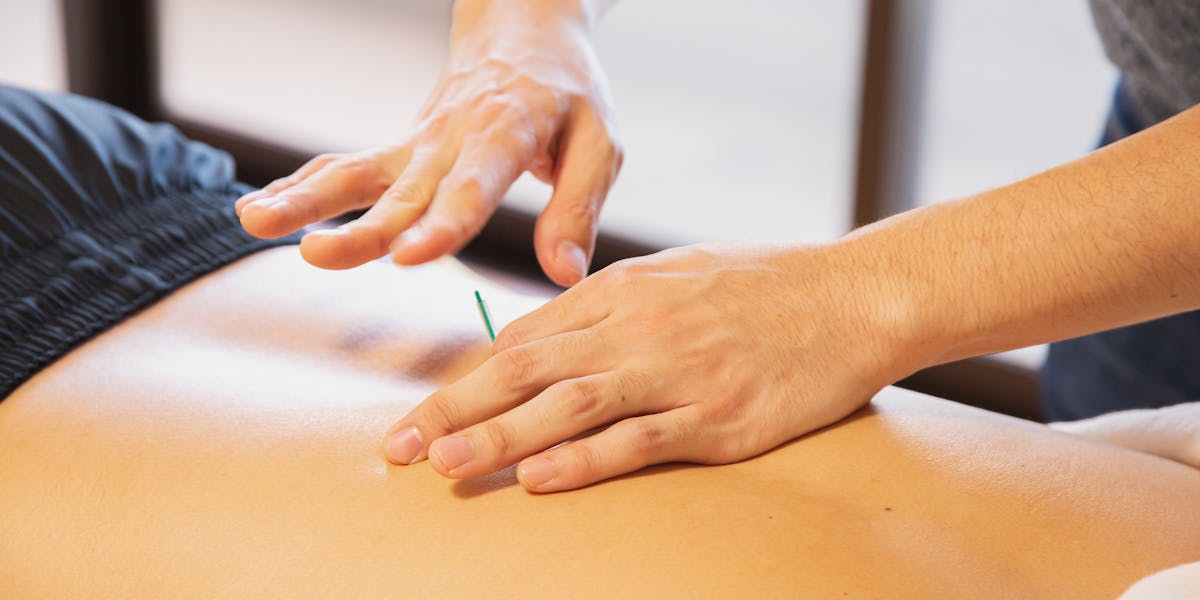
You've probably heard of acupuncture. But its older sibling — moxibustion — remains virtually unknown in the West, despite being practiced continuously for over 2,500 years and recognized by UNESCO as an Intangible Cultural Heritage of Humanity alongside acupuncture.
In Chinese medicine, there's a saying: "针之不到,灸之所宜" — "Where the needle cannot reach, moxibustion is appropriate." This reflects a fundamental clinical reality: some conditions respond better to heat therapy than to needling, and the most effective treatment often combines both.
This guide explains what moxibustion is, the science behind it, what conditions it treats, what a treatment session looks like, and how you can experience authentic moxibustion at its source in China.
What Is Moxibustion?
Moxibustion (Chinese: 灸, jiǔ) is a heat therapy that involves burning dried mugwort herb (Artemisia vulgaris or Artemisia argyi) — called moxa — near or on specific acupuncture points on the body. The controlled heat penetrates deep into tissues, stimulating circulation, reducing inflammation, and activating the body's healing responses.
Unlike acupuncture, which uses needles, moxibustion works primarily through thermal stimulation. The two are so closely linked in Chinese medical theory that the Chinese character for acupuncture (针灸, zhēnjiǔ) literally combines "needle" (针) and "moxibustion" (灸) into a single term.
Why Mugwort?
Not just any herb will do. Mugwort (Artemisia argyi) was selected over millennia for specific properties:
- Optimal combustion temperature — burns at 548-890°C, producing deep-penetrating infrared radiation in the 1-5.5 μm wavelength range that matches the body's own thermal absorption spectrum
- Sustained, even heat — burns slowly and steadily rather than flashing hot
- Aromatic compounds — the smoke contains cineole, thujone, and other terpenes with documented anti-inflammatory and antimicrobial properties
- Far-infrared emission — the specific spectrum of radiation emitted by burning moxa penetrates 2-3 cm into subcutaneous tissue, deeper than conventional heat sources
Research published in the Journal of Traditional Chinese Medicine has confirmed that moxa combustion produces a unique thermal radiation profile that cannot be replicated by electric heat sources or other burning materials (Deng & Shen, 2013).
How Does Moxibustion Work? The Science
Modern research has identified several physiological mechanisms through which moxibustion produces its therapeutic effects.
Thermal Stimulation and Vasodilation
The controlled application of heat to acupoints triggers local vasodilation — widening of blood vessels — which increases blood flow to the treated area by 2-3 times normal levels. This enhanced circulation delivers oxygen and nutrients to damaged tissues, removes inflammatory metabolites, and accelerates healing. Thermographic imaging studies show that moxibustion-induced temperature changes extend well beyond the application site, following meridian pathways (Yang et al., 2019).
Immune System Modulation
One of the most well-documented effects of moxibustion is its ability to modulate immune function. Research has shown that moxibustion:
- Increases white blood cell count and activity — enhancing the body's ability to fight infection
- Upregulates natural killer (NK) cell function — NK cells are critical for immune surveillance against cancer and viral infections
- Modulates cytokine balance — shifting the immune response from pro-inflammatory (Th1) toward anti-inflammatory (Th2) in autoimmune conditions, or the reverse in immunodeficient states
- Activates heat shock proteins (HSPs) — HSP70 and HSP90, triggered by moxibustion's thermal stimulus, protect cells from damage and support tissue repair
A systematic review in Evidence-Based Complementary and Alternative Medicine found consistent evidence that moxibustion enhances immune markers across multiple conditions (Xu et al., 2014).
Anti-Inflammatory Pathways
Moxibustion activates specific anti-inflammatory pathways:
- Cholinergic anti-inflammatory pathway — moxibustion at the acupoint ST36 (Zusanli) has been shown to activate vagal nerve signaling, which reduces systemic inflammation through acetylcholine release
- TLR4/NF-κB pathway inhibition — moxibustion suppresses this key inflammatory signaling cascade, reducing production of TNF-α, IL-1β, and IL-6
- Intestinal barrier repair — in inflammatory bowel conditions, moxibustion has been shown to restore tight junction proteins and reduce intestinal permeability
Neuroendocrine Regulation
Moxibustion influences the hypothalamic-pituitary-adrenal (HPA) axis, modulating cortisol and other stress hormones. This mechanism is particularly relevant for conditions involving:
- Chronic fatigue and adrenal insufficiency
- Stress-related digestive dysfunction
- Menstrual irregularities linked to hormonal imbalance
Types of Moxibustion
Chinese medicine practitioners use several forms of moxibustion, each suited to different conditions and patient needs.
Direct Moxibustion
Small cones of moxa are placed directly on the skin at acupoints and lit. The cone is removed before it burns down to the skin (non-scarring method) or allowed to leave a small blister (scarring method). Direct moxibustion delivers the most intense thermal stimulation and is used for chronic, cold-pattern conditions.
- Best for: Chronic pain with cold patterns, digestive weakness, immune deficiency
- Sensation: Strong localized warmth progressing to mild heat
Indirect Moxibustion
A buffer material is placed between the burning moxa and the skin. Common insulating materials include:
| Material | Properties | Indicated For |
|---|---|---|
| Ginger slice | Warming, anti-nausea | Digestive disorders, cold-pattern arthritis, morning sickness |
| Garlic slice | Antimicrobial, detoxifying | Skin conditions, early-stage infections, insect bites |
| Salt (on navel) | Warming the spleen/kidney | Chronic diarrhea, abdominal pain, collapse conditions |
| Aconite cake | Strongly warming | Severe yang deficiency, cold extremities, chronic kidney disease |
Indirect moxibustion is the most commonly used form in clinical practice and the method most international patients will experience.
Moxa Stick (Cigar) Moxibustion
A cigar-shaped roll of compressed moxa is held 2-3 cm above the skin, moving in circular or pecking motions over acupoints. This is the gentlest form and the easiest for patients to learn for home use.
- Hovering method — steady warmth held at a fixed distance
- Pecking method — the moxa stick moves up and down like a bird pecking, creating rhythmic pulses of heat
- Circling method — slow circular movements over a broader area
Warm Needle Moxibustion
A small ball of moxa is attached to the handle of an inserted acupuncture needle and lit. This combines the effects of acupuncture and moxibustion simultaneously — the needle transmits heat directly into the acupoint while also providing the mechanical stimulation of needling.
Warm needle moxibustion is commonly used in Chinese hospitals for back pain, knee pain, and cold-pattern conditions. If you've read our Acupuncture for Back Pain Guide, you'll recognize this as one of the adjunct therapies mentioned.
What Conditions Does Moxibustion Treat?
Bibliometric analysis of clinical literature from 1954 to 2007 identified over 364 conditions treated with moxibustion in China. Here are the conditions with the strongest evidence base.
Strong Evidence
| Condition | Evidence | Key Findings |
|---|---|---|
| Breech presentation | Cochrane review; multiple large RCTs | Moxibustion at BL67 (Zhiyin) increases cephalic version rate by 35% compared to controls. The most-studied application of moxibustion in Western research |
| Osteoarthritis (knee) | Systematic reviews; large RCTs | Comparable or superior to diclofenac; significant pain and function improvement; no GI side effects |
| Ulcerative colitis | Multiple RCTs; systematic review | Combined acupuncture-moxibustion shows response rates comparable to mesalazine; superior for maintaining remission |
| Chronic fatigue | RCTs in China and Japan | Significant improvement in fatigue scores, sleep quality, and immune markers |
Moderate Evidence
| Condition | Evidence | Key Findings |
|---|---|---|
| Irritable bowel syndrome (IBS) | Multiple RCTs | Improvement in abdominal pain, bloating, and bowel regularity |
| Chronic low back pain | RCTs; often combined with acupuncture | Additive benefit when combined with acupuncture; especially effective for cold-damp pattern |
| Dysmenorrhea (menstrual pain) | Multiple RCTs | Reduction in pain scores; reduced need for analgesics |
| Cancer-related fatigue | Pilot RCTs | Improvement in fatigue, quality of life during chemotherapy |
| Chemotherapy-induced nausea | Emerging evidence | Moxibustion at PC6 and ST36 reduces nausea and vomiting |
Traditional Applications (Limited Western Research)
| Condition | TCM Rationale | Clinical Experience |
|---|---|---|
| Chronic diarrhea | Warms the spleen, resolves dampness | One of the oldest recorded applications (2,000+ years) |
| Cold extremities | Warms yang qi, promotes circulation | Consistently effective in clinical practice |
| Edema and fluid retention | Activates spleen and kidney yang | Used in conjunction with herbal medicine |
| Recovery from chronic illness | Tonifies qi and blood | Commonly prescribed for post-surgical or post-illness recovery |
| Immune deficiency | Strengthens defensive qi (wei qi) | Regular moxibustion courses used preventively |
The Breech Presentation Evidence
The use of moxibustion to correct breech presentation (baby in feet-first position before birth) deserves special mention because it is the single most-studied application in Western clinical research — and the results have surprised the medical establishment.
A landmark Italian RCT published in JAMA found that moxibustion applied to the acupoint BL67 (on the outer edge of the little toe) during weeks 33-35 of pregnancy increased the rate of cephalic (head-down) version to 75.4%, compared to 47.7% in the control group (Cardini & Weixin, 1998, JAMA).
How does burning an herb near the little toe turn a baby? Current theories point to increased fetal activity triggered by adrenocortical hormone release in response to the thermal stimulus, combined with uterine muscle relaxation. Whatever the mechanism, the evidence is strong enough that moxibustion for breech presentation is now offered in some Western hospitals and midwifery practices.
What to Expect During Moxibustion Treatment
Initial Assessment
Your first moxibustion session begins with a comprehensive TCM evaluation:
- Constitution assessment — determining whether you have a cold, hot, damp, dry, or deficient constitution (moxibustion is especially indicated for cold and deficient constitutions)
- Pulse and tongue diagnosis — these classic TCM diagnostic methods reveal internal patterns that guide treatment
- Symptom pattern differentiation — matching your specific symptoms to TCM disease patterns
- Treatment plan design — selecting moxibustion type, acupoints, and treatment frequency
The Treatment Session
A typical moxibustion treatment in a Chinese hospital:
-
Preparation — You're positioned comfortably with the treatment area exposed. The practitioner selects acupoints based on your diagnosis and marks them.
-
Application — For indirect moxibustion (the most common form):
- A slice of ginger, garlic, or herbal cake is placed on the acupoint
- A cone of moxa is placed on top and lit
- You feel a gradually increasing warmth that becomes deeply penetrating
- The practitioner monitors your response and removes the cone when heat becomes strong
-
Duration — Each point is treated for 5-15 minutes. A full session typically treats 4-8 acupoints over 30-45 minutes.
-
Sensation — You should feel a pleasant, deep warmth that spreads from the treated point. Properly applied moxibustion should never cause sharp pain or burning. Many patients describe the sensation as profoundly relaxing and warming.
-
After-effects — The treated areas may appear slightly pink for 1-2 hours. You may feel a comfortable warmth throughout your body, improved energy, and mild drowsiness.
Common Acupoints for Moxibustion
| Acupoint | Location | Primary Uses |
|---|---|---|
| ST36 (Zusanli) | Below the knee | Immune enhancement, digestive disorders, fatigue, general health maintenance — the single most important moxibustion point |
| CV4 (Guanyuan) | Lower abdomen | Kidney yang tonification, menstrual disorders, urinary problems |
| CV8 (Shenque/Navel) | Navel center | Chronic diarrhea, abdominal pain, collapse conditions (salt moxibustion) |
| BL23 (Shenshu) | Lower back | Kidney deficiency, chronic low back pain, fatigue |
| GV4 (Mingmen) | Lower back (midline) | "Gate of Vitality" — warms kidney yang, the foundation of body warmth and energy |
| BL67 (Zhiyin) | Little toe | Breech presentation, difficult labor |
| SP6 (Sanyinjiao) | Inner ankle | Gynecological conditions, digestive issues, insomnia |
Treatment Frequency
| Condition Type | Recommended Frequency | Typical Course |
|---|---|---|
| Acute conditions | Daily for 5-7 days | 1 course |
| Chronic conditions | Daily for 10 days, then 2-3 days off | 2-3 courses |
| Health maintenance | 2-3 times per week | Ongoing |
| Seasonal prevention | Daily for 3 days at the start of each season change | 4 courses per year |
In China, moxibustion is often scheduled alongside acupuncture — patients receive both during the same hospital visit for enhanced therapeutic effect.
Moxibustion vs Other Heat Therapies
How does moxibustion compare to other warming treatments?
| Therapy | Heat Type | Penetration Depth | Active Compounds | Evidence Base | Targeted Application |
|---|---|---|---|---|---|
| Moxibustion | Far-infrared (1-5.5 μm) | 2-3 cm subcutaneous | Cineole, thujone, terpenes | Strong (2,500+ years clinical use + modern RCTs) | Precise acupoint stimulation |
| Heating pad | Conductive heat | Surface only | None | Minimal | Broad area warming |
| Hot stone therapy | Conductive heat | Shallow | None | Limited | Broad area; relaxation focus |
| Infrared lamp | Near-infrared | 1-2 cm | None | Moderate | Broad area warming |
| Ultrasound therapy | Acoustic energy | Deep tissue | None | Moderate | Specific tissue targeting |
The key difference: moxibustion delivers a unique combination of thermal radiation, aromatic pharmacology, and precise acupoint targeting that no single modern heat therapy replicates.
Safety and Contraindications
Moxibustion has an excellent safety profile when performed by trained practitioners. However, it is not appropriate for everyone.
Who Should Avoid Moxibustion
- Patients with heat-pattern conditions — fever, active inflammation with redness and heat, yin deficiency with heat signs
- Facial and head treatment — moxibustion is generally not applied to the face
- Over large blood vessels — risk of thermal injury
- During acute infection with fever — moxibustion could worsen the condition
- Over the abdomen/lower back during pregnancy — except BL67 for breech presentation under qualified supervision
Common Side Effects
- Mild skin redness at treatment sites (resolves within hours)
- Occasional small blisters from direct moxibustion (intentional in some techniques)
- Smoke sensitivity in some patients (smokeless moxa alternatives are available)
Safety in Chinese Hospitals
In major Chinese hospitals, moxibustion is performed in well-ventilated treatment rooms by licensed TCM practitioners who have completed 5-year medical degrees. Single-use, pharmaceutical-grade moxa products are standard. Smokeless moxa and ventilation systems address smoke concerns.
Why Come to China for Moxibustion?
Expertise
Chinese TCM hospitals have entire departments dedicated to acupuncture and moxibustion, staffed by specialists who have trained for 5+ years and treat patients daily with these techniques. The depth of clinical experience is unmatched anywhere in the world.
Integrated Treatment
In China, moxibustion is rarely used in isolation. It's one component of a comprehensive treatment plan that may include:
- Acupuncture for pain and specific conditions
- Chinese herbal medicine for internal regulation
- Tuina (Chinese manual therapy) for musculoskeletal issues
- Cupping for blood stasis and muscle tension
- Dietary therapy tailored to your constitution
This integrated approach — treating the whole person, not just the symptom — is what makes Chinese hospital TCM fundamentally different from receiving a single modality in a Western clinic.
Cost
| Service | US/Europe Cost | Shanghai Cost | Savings |
|---|---|---|---|
| Moxibustion session | $60-150 | $10-30 | 75-85% |
| Moxibustion course (10 sessions) | $600-1,500 | $100-300 | 80-85% |
| Combined acupuncture + moxibustion | $100-250 | $20-60 | 75-80% |
| Comprehensive 2-week TCM program | $3,000-6,000 | $600-1,500 | 75-80% |
UNESCO Heritage
In 2010, "Acupuncture and Moxibustion of Traditional Chinese Medicine" was inscribed on the UNESCO Representative List of the Intangible Cultural Heritage of Humanity — a recognition of both the practice's cultural significance and its living clinical tradition.
The OriEast Process
Step 1: Free Consultation Share your medical history and health concerns with OriEast. Our team evaluates whether moxibustion (alone or combined with other TCM modalities) is appropriate for your condition.
Step 2: Treatment Planning You receive a personalized treatment plan with recommended modalities, treatment duration, hospital selection, and cost estimate. We arrange hospital appointments and provide visa support.
Step 3: Treatment in Shanghai A bilingual medical coordinator accompanies you to the hospital. Your treatment plan is confirmed with the attending TCM physician and adjusted based on in-person diagnosis.
Step 4: Follow-Up You leave with take-home moxa supplies (for self-application techniques), herbal prescriptions, and a remote follow-up schedule.
Frequently Asked Questions
What does moxibustion feel like?
Moxibustion produces a deep, penetrating warmth that most patients describe as extremely comfortable and relaxing. It should never feel sharp or burning. The warmth radiates from the treatment point and many people report feeling an overall sense of warmth and calm throughout their body. Some patients describe it as a "warming from the inside out."
Does moxibustion smell?
Traditional moxibustion produces aromatic smoke with a distinctive herbal scent. Most patients find it pleasant, though it is noticeable. For smoke-sensitive patients, smokeless moxa products are widely available in Chinese hospitals. These charcoal-processed moxa sticks produce minimal smoke while maintaining therapeutic effectiveness.
Can I do moxibustion at home?
Yes — moxa stick moxibustion is the safest form for home use. Many Chinese practitioners teach patients self-moxibustion techniques for maintenance between clinical sessions. The most common home application is moxa stick warming of ST36 (Zusanli) for general health maintenance. However, learning proper technique from a qualified practitioner is essential before attempting home moxibustion.
Is moxibustion the same as acupuncture?
No. Acupuncture uses needles to mechanically stimulate acupoints; moxibustion uses heat from burning mugwort. They are complementary therapies that are often combined — in fact, the Chinese term for acupuncture (针灸) includes both. Some conditions respond better to needling, some to moxibustion, and many to the combination. For a complete overview of acupuncture, see our Acupuncture Therapy Guide.
How many sessions do I need?
This depends on your condition:
- Acute conditions (recent digestive upset, cold symptoms): 3-5 sessions may be sufficient
- Chronic conditions (arthritis, IBS, fatigue): 10-20 sessions over 2-3 treatment courses
- Health maintenance: Ongoing sessions 2-3 times per week
In China's intensive daily treatment model, results accumulate faster. Most patients notice improvement within the first 3-5 sessions.
Is moxibustion safe during pregnancy?
Moxibustion should generally be avoided during pregnancy, with one notable exception: moxibustion at BL67 (Zhiyin) for breech presentation is supported by clinical evidence and may be recommended between weeks 33-35 under qualified supervision. Always consult your obstetrician and a qualified TCM practitioner.
Can moxibustion help with cancer treatment side effects?
Emerging evidence supports moxibustion for managing chemotherapy-induced fatigue, nausea, and immune suppression. In Chinese hospitals, moxibustion is commonly used as an adjunct therapy during and after cancer treatment to improve quality of life and support recovery. For more on cancer treatment options in China, see our Proton Therapy Guide.
Experience the Full Spectrum of Chinese Medicine
Moxibustion represents one dimension of a complete healing tradition that has evolved over 2,500 years. At its source in China, you can access the full spectrum — not fragments adapted for Western practice, but the integrated system as it's meant to be applied.
Explore our TCM Treatment Services | Learn about Acupuncture in Shanghai | Read our Chinese Herbal Medicine Guide
Medical Disclaimer: This article is for educational and informational purposes only and does not constitute medical advice, diagnosis, or treatment. Moxibustion should be administered by qualified, licensed practitioners. Always consult your physician before starting any new treatment, especially if you have underlying conditions, are pregnant, or are taking medication. Individual results may vary. OriEast facilitates medical service connections but does not provide medical advice or guarantee treatment outcomes.