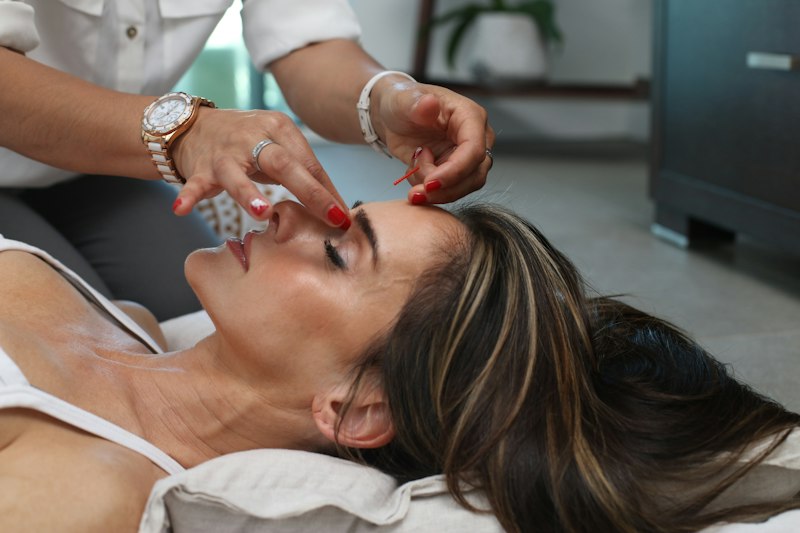
Acupuncture therapy is one of the oldest continuously practiced medical treatments in the world, with roots stretching back more than 2,500 years in China. Once viewed with skepticism in Western medicine, it has earned growing recognition from major health organizations and research institutions as an effective treatment for dozens of conditions — from chronic pain and migraines to anxiety and infertility.
Whether you are considering acupuncture for the first time or exploring the possibility of receiving treatment at its source in China, this guide covers everything you need to know: the science behind acupuncture, what conditions it treats, what a typical session looks like, and how to make informed decisions about your care.
What Is Acupuncture Therapy?
Acupuncture therapy is a core component of Traditional Chinese Medicine (TCM) in which thin, sterile needles are inserted into specific points on the body — known as acupuncture points or acupoints — to stimulate the body's natural healing processes. According to TCM theory, the human body contains a network of energy pathways called meridians through which vital energy, or qi (pronounced "chee"), flows. When this flow is disrupted or blocked, illness and pain can result. Acupuncture aims to restore the balanced flow of qi by targeting precise points along these meridians.
In modern clinical practice, acupuncture is rarely used in isolation. It is typically part of a broader TCM treatment plan that may include herbal medicine, cupping, moxibustion, and lifestyle counseling. Practitioners assess each patient individually, designing treatment protocols based on a detailed evaluation of symptoms, pulse diagnosis, and tongue examination.
A Brief History of Acupuncture
The earliest known text describing acupuncture is the Huangdi Neijing (The Yellow Emperor's Classic of Internal Medicine), compiled around the 2nd century BCE. For centuries the practice was refined across China, Korea, Japan, and Vietnam. Acupuncture arrived in Europe in the 17th century through Jesuit missionaries and gained broader Western attention after journalist James Reston reported on his post-surgical acupuncture experience during President Nixon's 1972 visit to China. Since then, clinical research has expanded rapidly, and acupuncture is now offered in major hospitals and clinics worldwide.
How Does Acupuncture Work? The Science Explained
While the meridian-based explanation remains central to how TCM practitioners understand and apply acupuncture, modern biomedical research has identified several physiological mechanisms that help explain why it works.
Neurological Response
When an acupuncture needle is inserted into tissue, it stimulates sensory neurons beneath the skin. These signals travel along nerve fibers to the spinal cord and brain, triggering the release of endorphins — the body's natural painkillers — as well as serotonin and norepinephrine, neurotransmitters involved in mood regulation and pain modulation. Functional MRI studies have shown that acupuncture can modulate activity in brain regions associated with pain processing, including the limbic system and the prefrontal cortex.
Anti-Inflammatory Effects
Research published in Nature Medicine demonstrated that acupuncture activates a neuro-immune pathway involving the vagus nerve, which reduces systemic inflammation by regulating pro-inflammatory cytokines (Liu et al., 2021, Nature Medicine). This mechanism may explain acupuncture's effectiveness for inflammatory conditions such as arthritis, tendinitis, and irritable bowel syndrome.
Connective Tissue and Fascia
Biomechanical research suggests that needle manipulation causes local changes in connective tissue. When a needle is rotated, collagen fibers wind around it, creating a mechanical signal that spreads through the fascial network and may influence cell behavior, fibroblast activity, and local blood flow. This offers a plausible explanation for effects that occur at sites distant from the point of needle insertion.
Hormonal Regulation
Acupuncture has been shown to influence the hypothalamic-pituitary-adrenal (HPA) axis, which governs the body's stress response. By modulating cortisol levels and promoting parasympathetic nervous system activity, acupuncture can help the body shift from a state of chronic stress into a recovery mode — a finding that is particularly relevant for patients dealing with stress and anxiety.
Acupuncture Benefits: What Does the Research Say?
The evidence base for acupuncture has grown substantially over the past three decades. Large-scale meta-analyses and randomized controlled trials have established its effectiveness for a range of conditions.
WHO-Recognized Conditions
The World Health Organization (WHO) published a comprehensive review identifying conditions for which acupuncture has been proven effective through controlled trials. These include, but are not limited to:
- Chronic pain — low back pain, neck pain, knee osteoarthritis, sciatica
- Headaches and migraines
- Nausea and vomiting — chemotherapy-induced, postoperative, and pregnancy-related
- Allergic rhinitis (hay fever)
- Depression and anxiety disorders
- Hypertension (high blood pressure)
- Dysmenorrhea (painful menstruation)
- Rheumatoid arthritis
- Sprains and soft tissue injuries
- Tennis elbow (lateral epicondylitis)
- Facial pain and TMJ disorders
- Postoperative pain management
In total, the WHO list covers over 40 conditions for which acupuncture is considered a reasonable treatment option, and an additional set of conditions for which evidence is promising but not yet conclusive (WHO, 2003, Acupuncture: Review and Analysis of Reports on Controlled Clinical Trials).
Key Study Results
A landmark meta-analysis published in the Archives of Internal Medicine (now JAMA Internal Medicine) pooled individual patient data from 29 high-quality randomized controlled trials involving nearly 18,000 patients. The study concluded that acupuncture is effective for chronic pain conditions — including back pain, neck pain, osteoarthritis, and chronic headache — and that the effects persisted beyond placebo (Vickers et al., 2012). Follow-up analyses confirmed that approximately 85% of the pain-relief benefit was maintained at 12 months after treatment ended.
Additional research highlights include:
- Migraine prevention: A 2016 Cochrane Review found that acupuncture was at least as effective as prophylactic drug therapy for reducing migraine frequency, with fewer side effects.
- Fertility support: Multiple studies have shown that acupuncture administered around the time of embryo transfer during IVF can improve clinical pregnancy rates by approximately 65%, though results vary by study design.
- Postoperative recovery: Acupuncture has been shown to reduce the need for opioid pain medication by 30-50% following surgery, making it a valuable tool in the context of opioid reduction strategies.
- Chemotherapy side effects: Electroacupuncture was found to significantly reduce chemotherapy-induced nausea and fatigue in cancer patients, improving quality of life during treatment.
What Conditions Can Acupuncture Treat?
Beyond the WHO-recognized list, acupuncture is commonly used in clinical settings around the world for a wide spectrum of health concerns. Here is a more detailed breakdown by category.
Pain Management
This is the most well-studied application of acupuncture therapy. Conditions include:
- Chronic low back pain
- Neck and shoulder pain
- Osteoarthritis (particularly of the knee)
- Fibromyalgia
- Sciatica and radiculopathy
- Postoperative pain
- Plantar fasciitis
- Carpal tunnel syndrome
Many patients turn to acupuncture after conventional pain treatments — such as NSAIDs, corticosteroid injections, or even surgery — have provided insufficient relief. In China's leading hospitals, acupuncture is routinely integrated alongside Western medicine in pain management departments. You can learn more about accessing these treatments through our hospital appointment service.
Mental Health and Neurological Conditions
Acupuncture's effect on neurotransmitter regulation makes it a useful adjunctive therapy for:
- Generalized anxiety disorder
- Depression
- Insomnia
- Post-traumatic stress disorder (PTSD)
- Migraine and tension-type headaches
- Bell's palsy
- Peripheral neuropathy
- Post-stroke rehabilitation
Digestive Disorders
- Irritable bowel syndrome (IBS)
- Functional dyspepsia
- Acid reflux (GERD)
- Chronic constipation
- Nausea and vomiting
Women's Health and Fertility
- Menstrual irregularities and painful periods
- Polycystic ovary syndrome (PCOS)
- Menopausal symptoms (hot flashes, mood changes)
- IVF and fertility support
- Pregnancy-related nausea and back pain
Respiratory and Immune Conditions
- Allergic rhinitis
- Chronic sinusitis
- Asthma (adjunctive care)
- Recurrent respiratory infections
Musculoskeletal and Sports Injuries
- Tendinitis
- Muscle strains
- Ligament sprains
- Repetitive strain injuries
For patients dealing with complex or multi-system conditions, combining acupuncture with a comprehensive health checkup can help identify underlying issues and guide a more targeted treatment plan.
What to Expect During Your First Acupuncture Session
If you have never tried acupuncture before, it is natural to have questions — and perhaps some apprehension about needles. Here is a step-by-step overview of a typical session.
Initial Consultation (15-30 minutes)
Your first visit will include a detailed consultation. The acupuncturist will ask about your chief complaint, medical history, diet, sleep, stress levels, and emotional state. In a TCM setting, the practitioner will also perform a pulse diagnosis (feeling the radial pulse at both wrists to assess the state of different organ systems) and examine your tongue for color, coating, and shape — all of which inform the diagnosis.
Needle Insertion (20-40 minutes)
Based on the assessment, the practitioner selects a set of acupoints — typically between 6 and 20 points per session. The needles used are extremely thin (0.16-0.30 mm in diameter), solid, and single-use sterile. Most patients feel a brief pinch or pressure upon insertion, followed by a sensation known as de qi — a dull ache, warmth, or tingling that indicates the point has been activated.
Once all needles are placed, you will rest comfortably for 20 to 30 minutes while they remain in position. Many people find this phase deeply relaxing, and it is common to drift into a light sleep.
Additional Techniques
Depending on your condition, the practitioner may incorporate:
- Electroacupuncture: A mild electric current is applied to the needles to enhance stimulation, commonly used for pain and neurological conditions.
- Moxibustion: Dried mugwort (Artemisia vulgaris) is burned near the skin to warm acupoints, often used for conditions involving cold or stagnation.
- Cupping: Glass or silicone cups create suction on the skin to promote blood flow and relieve muscle tension.
- Gua sha: A smooth-edged tool is scraped across oiled skin to address chronic pain and inflammation.
After the Session
Some patients experience immediate relief, while others notice gradual improvement over the following 24-48 hours. Mild side effects — such as slight bruising at needle sites, temporary fatigue, or lightheadedness — are uncommon but normal. Serious adverse events are extremely rare when treatment is performed by a qualified practitioner using sterile equipment.
How Many Sessions Will You Need?
The number of sessions depends on the nature and severity of your condition. General guidelines include:
| Condition Type | Typical Sessions | Frequency |
|---|---|---|
| Acute pain or injury | 3-6 sessions | 2-3 times per week |
| Chronic pain | 8-15 sessions | 1-2 times per week |
| Stress, anxiety, insomnia | 6-12 sessions | 1-2 times per week |
| Fertility support | 12-20+ sessions | 1-2 times per week |
| General wellness | Ongoing | Monthly or biweekly |
Many patients report noticeable improvement within 3 to 5 sessions. For chronic conditions that have persisted for months or years, longer treatment courses are generally necessary. In China, it is common for acupuncture to be administered daily for 10-day treatment blocks, which can significantly accelerate results compared to the weekly sessions typical in Western countries.
Acupuncture Cost Comparison: China vs. the United States
One of the most compelling reasons international patients consider receiving acupuncture treatment in China is the significant cost difference — without any compromise in quality.
| United States | China (Top-Tier Hospital) | |
|---|---|---|
| Initial consultation + treatment | $75 - $200 | $15 - $50 |
| Follow-up session | $50 - $150 | $10 - $40 |
| 10-session treatment course | $500 - $1,500 | $100 - $400 |
| Electroacupuncture add-on | $20 - $50 per session | Often included |
| Herbal medicine (per month) | $30 - $100 | $15 - $50 |
In China, acupuncture is performed by physicians who have completed a five-year university degree in TCM, followed by hospital residency training. Many senior practitioners in Shanghai's top hospitals have 20-30 years of clinical experience and treat patients from across Asia and beyond.
For those interested in combining acupuncture with other treatments, our acupuncture services in Shanghai page provides detailed information about available practitioners and facilities. For a broader overview of planning a medical trip, see our complete guide to medical tourism in China.
Is Acupuncture Safe?
When performed by a trained and licensed practitioner using sterile, single-use needles, acupuncture is considered very safe. A systematic review of over 1 million acupuncture treatments found a serious adverse event rate of approximately 0.05 per 10,000 treatments — making it one of the safest medical interventions available.
Common, mild side effects include:
- Minor bruising at needle sites (occurs in roughly 3% of treatments)
- Brief lightheadedness after the session
- Temporary soreness at acupoints
- Mild fatigue on the day of treatment
Acupuncture is generally not recommended — or requires special precautions — in the following situations:
- Bleeding disorders or anticoagulant therapy (relative contraindication)
- First trimester of pregnancy (certain points are avoided)
- Pacemaker use (electroacupuncture is contraindicated)
- Severe needle phobia (alternative techniques like acupressure may be preferable)
In China's hospital-based acupuncture departments, practitioners operate under strict clinical protocols and regulatory oversight, and sterile single-use needles are standard practice in all licensed facilities.
Why Consider Acupuncture Treatment in China?
China is not only the birthplace of acupuncture but also the global leader in its clinical application and research. There are several distinct advantages to receiving treatment there:
Depth of Expertise
China produces more acupuncture research than any other country. Its top teaching hospitals — particularly in Shanghai, Beijing, and Guangzhou — house departments where acupuncture has been practiced continuously for decades. Practitioners at these institutions commonly treat conditions that might be considered unusual or difficult in Western acupuncture clinics, simply because of the volume and diversity of cases they see.
Integrated Treatment
In Chinese hospitals, acupuncture is not an alternative therapy — it is a core medical discipline practiced alongside Western medicine. A patient with chronic knee osteoarthritis, for example, might receive acupuncture, herbal medicine, physical therapy, and orthopedic consultation all within the same hospital system. This integrated approach can produce outcomes that are difficult to replicate when treatments are fragmented across different providers.
Affordability
As the cost comparison above illustrates, patients can access world-class acupuncture treatment in China at a fraction of the cost in the US, Europe, or Australia. Even when factoring in travel and accommodation, many patients find that a treatment course in Shanghai is comparable to — or less expensive than — treatment at home.
A Healing Journey
Beyond the clinical benefits, there is something meaningful about experiencing acupuncture in the culture where it originated. Visiting herbal pharmacies, touring TCM universities, and understanding the philosophy that underpins the medicine can deepen your engagement with the healing process.
To explore your options, browse our network of partner hospitals or get in touch with our team for personalized guidance.
How to Choose a Qualified Acupuncture Practitioner
Whether you receive treatment domestically or in China, choosing the right practitioner is essential. Look for:
- Formal education: In China, look for practitioners with a degree from a recognized TCM university (typically a 5-year Bachelor of Medicine in TCM or a Master's/PhD). In the US, Licensed Acupuncturists (L.Ac.) must complete a Master's-level program and pass national board exams (NCCAOM).
- Hospital affiliation: Treatment at a teaching hospital or established clinic generally indicates higher standards of practice.
- Experience with your condition: Ask whether the practitioner has specific experience treating your health concern.
- Communication: Especially for international patients, ensure that language support is available. At OriEast, we provide English-language coordination for all acupuncture appointments in Shanghai to ensure nothing is lost in translation.
Frequently Asked Questions About Acupuncture Therapy
Does acupuncture hurt?
Most patients describe the sensation as a mild pressure or tingling rather than pain. The needles are far thinner than hypodermic needles used for injections or blood draws. Occasional brief discomfort upon insertion is normal and typically subsides within seconds.
How long does a session last?
A typical acupuncture session lasts 45 to 60 minutes, including the consultation. The needles remain in place for 20 to 30 minutes. Initial visits may take longer due to the comprehensive intake assessment.
Can acupuncture be combined with Western medicine?
Yes. Acupuncture is frequently used alongside conventional treatments, including medication, physical therapy, and post-surgical recovery protocols. Always inform both your acupuncturist and your primary care physician about all treatments you are receiving.
How quickly will I see results?
This varies by condition and individual. Some patients feel improvement after the first session, particularly for acute pain. For chronic conditions, measurable progress typically becomes apparent after 4 to 6 sessions. Your practitioner should be able to provide a realistic timeline based on your specific diagnosis.
Is acupuncture covered by insurance?
In the United States, some insurance plans now cover acupuncture for specific conditions such as chronic low back pain, following a 2020 Medicare coverage decision. Coverage varies widely by plan and state. In China, acupuncture is covered under the national health insurance system for Chinese citizens; international patients typically pay out of pocket, though the costs remain very affordable by Western standards.
Taking the Next Step
Acupuncture therapy offers a time-tested, research-supported approach to healing that continues to gain recognition worldwide. Whether you are managing chronic pain, seeking relief from stress and anxiety, supporting fertility, or simply looking to optimize your overall health, acupuncture deserves serious consideration as part of your care plan.
If you are interested in experiencing acupuncture at its source — with access to China's leading practitioners, state-of-the-art hospital facilities, and significant cost savings — OriEast is here to help. We coordinate everything from hospital appointments and treatment planning to travel logistics and interpretation, so you can focus entirely on your health.
Contact us today to discuss your needs and start planning your treatment journey.
Medical Disclaimer: This article is provided for educational and informational purposes only and does not constitute medical advice, diagnosis, or treatment. Acupuncture and other TCM therapies should be administered by qualified, licensed practitioners. Always consult with your primary healthcare provider before beginning any new treatment, particularly if you have a pre-existing medical condition, are pregnant, or are taking medication. Individual results may vary. OriEast facilitates access to healthcare services but does not provide medical advice or guarantee treatment outcomes.