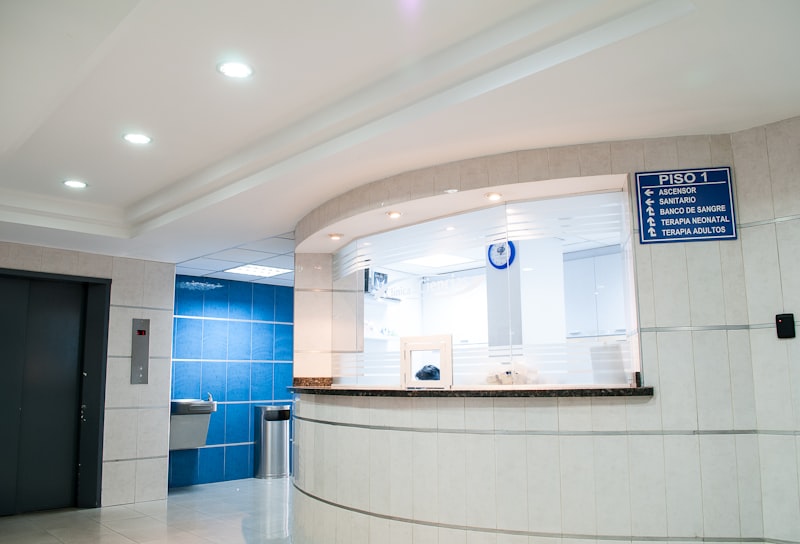
China has quietly become one of the world's most compelling destinations for medical tourism. With over 60 JCI-accredited hospitals, treatment costs that run 50–80% lower than in the United States, and access to therapies unavailable elsewhere — including cutting-edge oncology protocols and centuries-old Traditional Chinese Medicine — the country now attracts an estimated 1.2 million international patients annually.
Yet navigating China's healthcare system as a foreign patient remains genuinely complex. Language barriers, unfamiliar hospital hierarchies, and a visa process that differs depending on your treatment type all create friction. This guide exists to remove that friction. Whether you're considering cancer treatment, traditional Chinese medicine, or a comprehensive health checkup, you'll find the practical information you need below.
Why Choose China for Medical Tourism?
World-Class Hospitals at a Fraction of the Cost
China's top-tier hospitals operate at a level that surprises most first-time visitors. Huashan Hospital in Shanghai, for example, performs over 60,000 surgeries annually and has been ranked among Asia's top 50 hospitals by Newsweek since 2019. Ruijin Hospital — also in Shanghai — is a leading center for hematology and was among the first in the world to achieve complete remission in acute lymphoblastic leukemia patients using CAR-T cell therapy.
The cost difference is substantial:
| Procedure | United States | China | Savings |
|---|---|---|---|
| Heart bypass surgery | $70,000–$200,000 | $15,000–$35,000 | 75–80% |
| Hip replacement | $40,000–$70,000 | $8,000–$15,000 | 70–80% |
| CAR-T cell therapy | $373,000–$475,000 | $60,000–$150,000 | 60–70% |
| Comprehensive health checkup | $2,000–$5,000 | $300–$1,200 | 75–85% |
| Proton/heavy ion therapy (per course) | $100,000–$150,000 | $30,000–$50,000 | 60–70% |
| Acupuncture session | $75–$200 | $15–$50 | 75–80% |
These aren't discounted rates for substandard care. Chinese hospitals use the same equipment — da Vinci surgical robots, PET-CT scanners, proton beam systems — sourced from the same manufacturers as their Western counterparts. The cost difference stems primarily from lower labor costs, government subsidies for public hospitals, and a healthcare system that doesn't carry the administrative overhead of American insurance billing.
Access to Unique Treatments
Some treatments are simply more accessible in China:
-
Proton and heavy ion therapy: The Shanghai Proton and Heavy Ion Center (SPHIC) is one of only a handful of facilities worldwide offering carbon-ion radiotherapy. Since opening in 2015, it has treated over 7,000 patients with tumor control rates exceeding 95% for certain cancers. Learn more about advanced cancer treatment options in China.
-
CAR-T cell therapy: China has approved multiple CAR-T products and has over 600 active clinical trials — more than any other country. Treatment wait times are weeks rather than months. See our dedicated CAR-T therapy guide.
-
Traditional Chinese Medicine (TCM): China is the only place to receive authentic TCM from practitioners trained in university-affiliated hospitals with standardized protocols. Read more about TCM treatment in Shanghai or explore how acupuncture therapy works.
Clinical Expertise and Scale
Scale matters in medicine. A surgeon who performs 500 procedures per year will, statistically, deliver better outcomes than one who performs 50. China's population ensures that its top specialists see patient volumes unmatched almost anywhere else. This is particularly relevant for rare cancers, complex spinal surgeries, and liver transplants — areas where Chinese surgeons have developed deep expertise through sheer volume of cases.
Top Hospitals in China for International Patients
Shanghai
Huashan Hospital (华山医院) Affiliated with Fudan University. Nationally ranked #1 for neurology and neurosurgery. International Medical Center with English-speaking coordinators. 1,200+ beds.
Ruijin Hospital (瑞金医院) Shanghai Jiao Tong University affiliate. Leading center for hematology, endocrinology, and cardiovascular surgery. Home to one of China's most active CAR-T clinical trial programs. JCI accredited since 2018.
Shanghai Proton and Heavy Ion Center (上海质子重离子中心) China's first facility dedicated to particle therapy. Equipped with the Siemens IONTRIS system. Particularly effective for skull base tumors, liver cancer, prostate cancer, and pediatric cancers. Five-year local control rates above 90% for nasopharyngeal carcinoma.
Renji Hospital (仁济医院) Another Shanghai Jiao Tong University affiliate. Strong in gastroenterology, rheumatology, and reproductive medicine. Performs over 5,000 IVF cycles annually.
Beijing
Peking Union Medical College Hospital (北京协和医院) Consistently ranked China's #1 hospital overall. Founded in 1921 with Rockefeller Foundation support. Renowned for diagnostics and handling complex, multi-system cases.
Chinese PLA General Hospital (301 Hospital) China's largest military hospital. Leading center for orthopedics, cardiac surgery, and organ transplants.
Guangzhou
Sun Yat-sen University Cancer Center One of China's top three oncology centers. Strong in nasopharyngeal carcinoma (NPC) treatment, where it has accumulated the world's largest patient database.
For a complete list of partner facilities, visit our hospitals page.
How Much Does Medical Treatment Cost in China?
Cost transparency is one of the biggest advantages of China's system for international patients. Public hospitals publish fee schedules, and while international departments may charge 2–3x the local rate, the totals remain far below Western prices.
What's Included in the Price
Most Chinese hospital quotes include:
- Doctor consultation fees
- Diagnostic tests (blood work, imaging)
- Procedure/surgery fees
- Hospital room (international ward)
- Medication during hospitalization
- Post-operative care during admission
What's typically not included:
- International travel and accommodation
- Translation services (though many hospitals offer this)
- Post-discharge medication
- Follow-up consultations after returning home
Payment Methods
Most hospitals accept:
- Cash (CNY)
- UnionPay cards
- Wire transfer (for large amounts like surgery deposits)
- Some international departments accept Visa/Mastercard, but confirm in advance
Travel insurance that covers international medical treatment is strongly recommended. Some insurers, particularly those based in Singapore and Hong Kong, have direct billing agreements with Chinese hospitals.
Is China Safe for Medical Tourism?
Safety concerns are legitimate and worth addressing directly.
Hospital Safety Standards
According to the World Health Organization, China's top hospitals meet international patient safety benchmarks. JCI (Joint Commission International) accreditation — the gold standard for hospital quality worldwide — has been granted to over 60 Chinese hospitals. These facilities undergo rigorous audits covering everything from surgical safety checklists to medication management.
The Chinese government has also implemented its own hospital grading system. Grade 3A (三甲) hospitals represent the highest domestic tier and must meet strict criteria for staffing, equipment, patient outcomes, and research output. All hospitals recommended by OriEast hold Grade 3A status.
Hygiene and Infection Control
Post-COVID, Chinese hospitals operate under some of the most stringent infection control protocols in the world. Temperature screening, air filtration systems, and routine environmental testing are standard at all major facilities. Antibiotic stewardship programs have been mandated nationally since 2018, addressing earlier concerns about antimicrobial resistance.
Medical Malpractice and Patient Rights
China's 2021 Physicians Law strengthened patient rights, including informed consent requirements and clearer malpractice liability. International patients at VIP/international departments benefit from additional protections, including dedicated case managers and direct communication channels with treating physicians.
Visa Requirements for Medical Treatment in China
Medical Visa (M Visa) vs. Tourist Visa (L Visa)
For treatment stays under 30 days, a standard tourist visa (L Visa) often suffices. However, for extended treatment programs, a medical visa is recommended:
| Visa Type | Duration | Best For |
|---|---|---|
| L Visa (Tourist) | 30 days (extendable) | Health checkups, short consultations, acupuncture courses |
| M Visa (Business/Medical) | 30–90 days | Surgery, cancer treatment, rehabilitation |
| S Visa (Private Affairs) | 90–180 days | Long-term treatment with family companion |
Required Documents
- Valid passport (6+ months remaining)
- Hospital appointment confirmation letter
- Completed visa application form
- Passport-sized photo
- Proof of accommodation
- For M Visa: invitation letter from the hospital
OriEast assists with obtaining hospital invitation letters and appointment confirmations. Contact us for visa support.
Transit Visa Exemptions
China currently offers 144-hour visa-free transit in Shanghai, Beijing, Guangzhou, and several other cities. If your treatment is brief and you're transiting from/to a third country, this can simplify the process considerably.
Step-by-Step: Planning Your Medical Trip to China
Step 1: Initial Consultation and Hospital Selection
Start by sharing your medical records and treatment goals. OriEast provides free initial consultations to help match you with the right hospital and specialist. You can book an appointment or browse our patient guides for condition-specific information.
Step 2: Medical Record Translation and Submission
Your records need to be translated into Chinese for the treating hospital. This includes:
- Recent diagnostic reports (within 3 months)
- Pathology slides (for cancer cases)
- Current medication list
- Previous treatment history
OriEast handles all translation and submission at no additional cost.
Step 3: Treatment Plan and Cost Estimate
Within 3–7 business days of record submission, the hospital will provide:
- Preliminary diagnosis assessment
- Proposed treatment plan
- Detailed cost estimate
- Estimated treatment duration
Step 4: Travel Arrangements
Once you've confirmed the treatment plan:
- Apply for your visa (allow 5–10 business days)
- Book flights to Shanghai (PVG/SHA), Beijing (PEK/PKX), or Guangzhou (CAN)
- Arrange accommodation near the hospital — we recommend areas within 15 minutes of your treatment facility
Step 5: Arrival and Treatment
On arrival, an OriEast coordinator meets you and accompanies you to:
- Hospital registration
- Initial consultations
- All major appointments and procedures
Translation support is provided throughout your stay.
Step 6: Post-Treatment and Follow-Up
Before departure, you'll receive:
- Complete medical records in English
- Detailed treatment summary for your home physician
- Follow-up schedule and telemedicine access to your Chinese doctor
- Medication prescriptions with international generic names
What International Patients Say
"The level of care at Ruijin Hospital was extraordinary. My oncologist had treated more cases of my specific lymphoma subtype than the entire department at my hospital back home. The cost was about one-fifth of what I was quoted in the US." — James W., CAR-T patient from Australia
"I came for a comprehensive health checkup and ended up discovering a condition that had been missed for years. The thoroughness of the screening was unlike anything I've experienced." — Sarah M., health checkup patient from the UK
"As someone dealing with chronic pain, the combination of Western diagnostics and Traditional Chinese Medicine was exactly what I needed. My acupuncture sessions in Shanghai were transformative." — David L., TCM patient from Canada
Read about the specific benefits of acupuncture for stress and anxiety relief.
Language and Communication
Language is the most common concern for international patients considering China. Here's how it works in practice:
- International departments at major hospitals have English-speaking staff (and often Japanese, Korean, and Arabic speakers)
- OriEast coordinators provide real-time interpretation during all medical consultations
- Medical records are provided in both Chinese and English
- WeChat (China's primary messaging app) enables easy text communication with your medical team, including photo/document sharing
For Japanese-speaking patients, our team includes native Japanese coordinators. We also offer Mandarin language basics guides for daily life during your stay.
Travel Tips for Medical Tourists in China
Money
- China runs almost entirely on mobile payment (WeChat Pay, Alipay). International visitors can now link foreign credit cards to these apps.
- Carry some cash (CNY) as backup for smaller vendors.
- Most hospital international departments accept card payments.
Connectivity
- Download a VPN before arriving if you need access to Google, WhatsApp, or other blocked services.
- Get a local SIM card at the airport for reliable data.
- Wi-Fi is widely available in hospitals and hotels.
Accommodation
- Most major hospital areas have hotels within walking distance.
- Serviced apartments are cost-effective for stays beyond 2 weeks.
- OriEast can arrange accommodation as part of your treatment package.
Food and Diet
- Hospital international wards typically offer both Chinese and Western meal options.
- Dietary restrictions (halal, vegetarian, allergies) can be accommodated with advance notice.
- Shanghai and Beijing have extensive international restaurant options.
Frequently Asked Questions
Can I bring a family member or companion?
Yes. Most hospitals allow one companion to stay in the room (international ward). Companion visas can be arranged alongside your medical visa.
How far in advance should I plan?
For elective procedures and checkups: 2–4 weeks. For cancer treatment and surgery: 4–8 weeks allows time for record review, treatment planning, and visa processing.
Is follow-up care available after I return home?
Yes. Most hospitals offer telemedicine follow-up. OriEast also coordinates with your local physician to ensure continuity of care.
Do Chinese hospitals accept international insurance?
Some hospitals have direct billing agreements with international insurers (particularly Cigna, Bupa, and AIA). Check with your insurer and the hospital's international department before traveling. Most patients pay out of pocket and seek reimbursement.
What happens if there's a complication?
International departments have 24/7 emergency protocols. Your case manager remains your single point of contact. If extended care is needed, OriEast helps coordinate extended visa arrangements and accommodation.
Next Steps
If you're considering medical treatment in China, here's how to get started:
- Browse our services: Cancer treatment · CAR-T therapy · TCM & Acupuncture · Health checkups
- Explore hospitals: See our full list of partner hospitals
- Get in touch: Contact OriEast for a free consultation — share your medical records and treatment goals, and we'll provide a personalized recommendation within 48 hours.
Medical Disclaimer: The information provided in this article is for educational and informational purposes only and does not constitute medical advice, diagnosis, or treatment. Always consult with a qualified healthcare provider before making any decisions about your medical care. Treatment outcomes vary by individual, and the cost estimates provided are approximate and subject to change. OriEast facilitates connections between international patients and Chinese healthcare providers but does not practice medicine or guarantee specific treatment outcomes.